What is Hepatitis D?
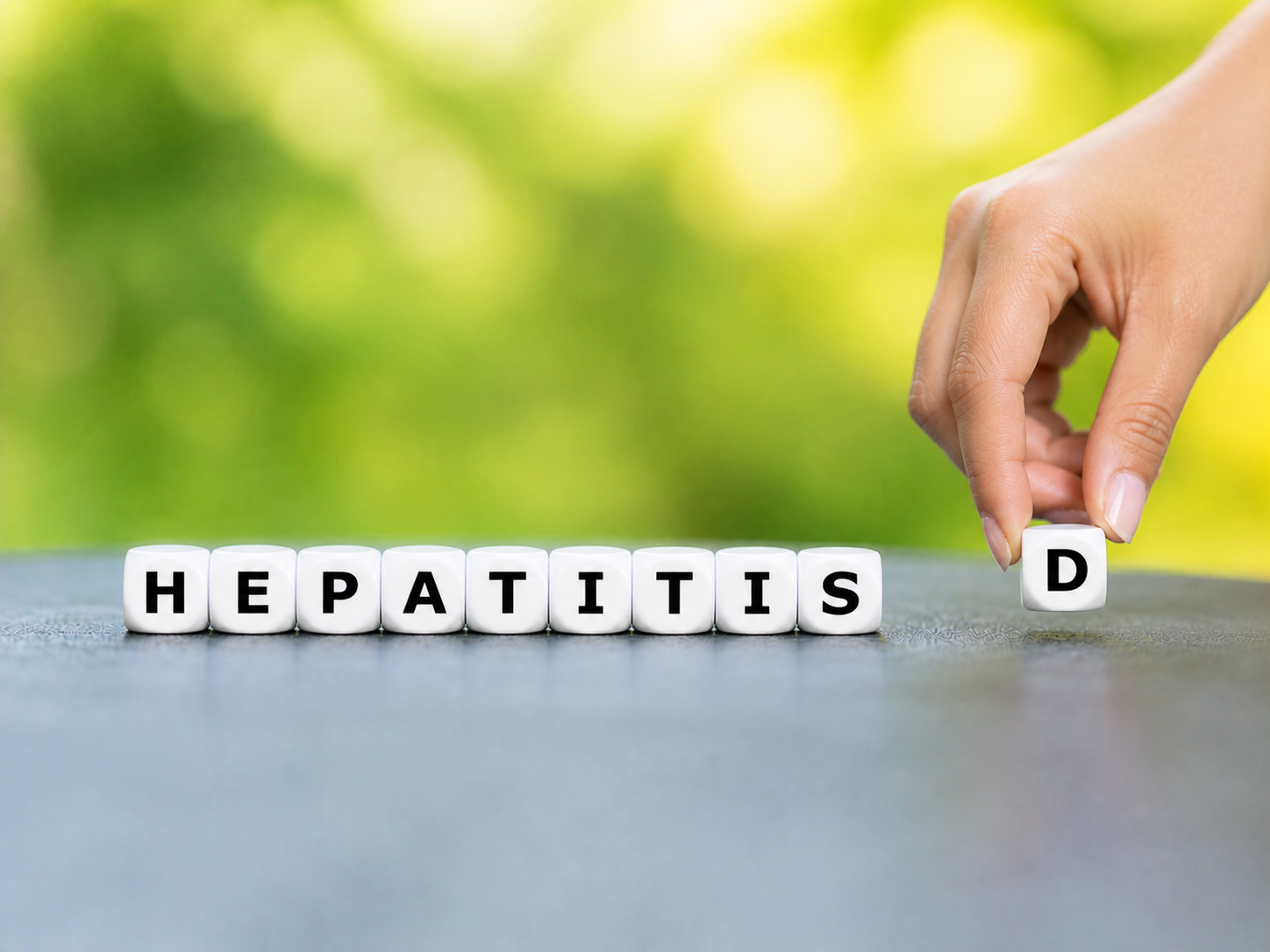
Hepatitis D is a serious liver infection caused by the Hepatitis D virus (HDV). It only occurs in people who already have Hepatitis B because HDV needs the Hepatitis B virus to survive and spread.
Hepatitis D can cause more severe liver disease and may increase the risk of cirrhosis, liver failure, and liver cancer. Some people experience symptoms shortly after infection, while others may not have symptoms until liver damage has occurred over time.
Preventing and treating Hepatitis B is the best way to prevent Hepatitis D.
Hepatitis D Fast Facts

Serious liver
infection
Preventable with
hepatitis B vaccine
h

Spread through
blood

Requires
hepatitis B
How it Spreads

Blood to Blood
Contact

Sexual
Contact

During
Childbirth
Sharing needles
and equipment
Hepatitis D is a serious liver infection caused by the hepatitis D virus (HDV).
It spreads through contact with infected blood and only occurs in people who have hepatitis B.
Why Testing Matters
Co-infection with Hepatitis B and D can lead to more serious liver disease, including faster progression to cirrhosis and liver failure.
People with chronic hepatitis B
should consider being tested
for hepatitis D.
Treatment and Recovery
Routine liver
testing
Managing
hepatitis B

Antiviral treatment
options
Hepatitis D treatment is more limited and specialized
Prevention
Prevent Hepatitis D
Vaccination for
hepatitis BAvoid sharing needles
Practice safer sex
Avoid blood exposure
If you aren’t sure whether you’ve been vaccinated for hep B, a blood test can tell if you are protected.
Get vaccinated if you are not already protected
Get tested if you have symptoms or possible exposure
Take precautions to prevent spreading infection to others
Take the Next Step
Hepatitis D is preventable. Vaccination for hepatitis B is
the best protection.
Find a vaccination or testing site near you.